
Introduction: A Shift in Post-Pandemic Travel Behavior
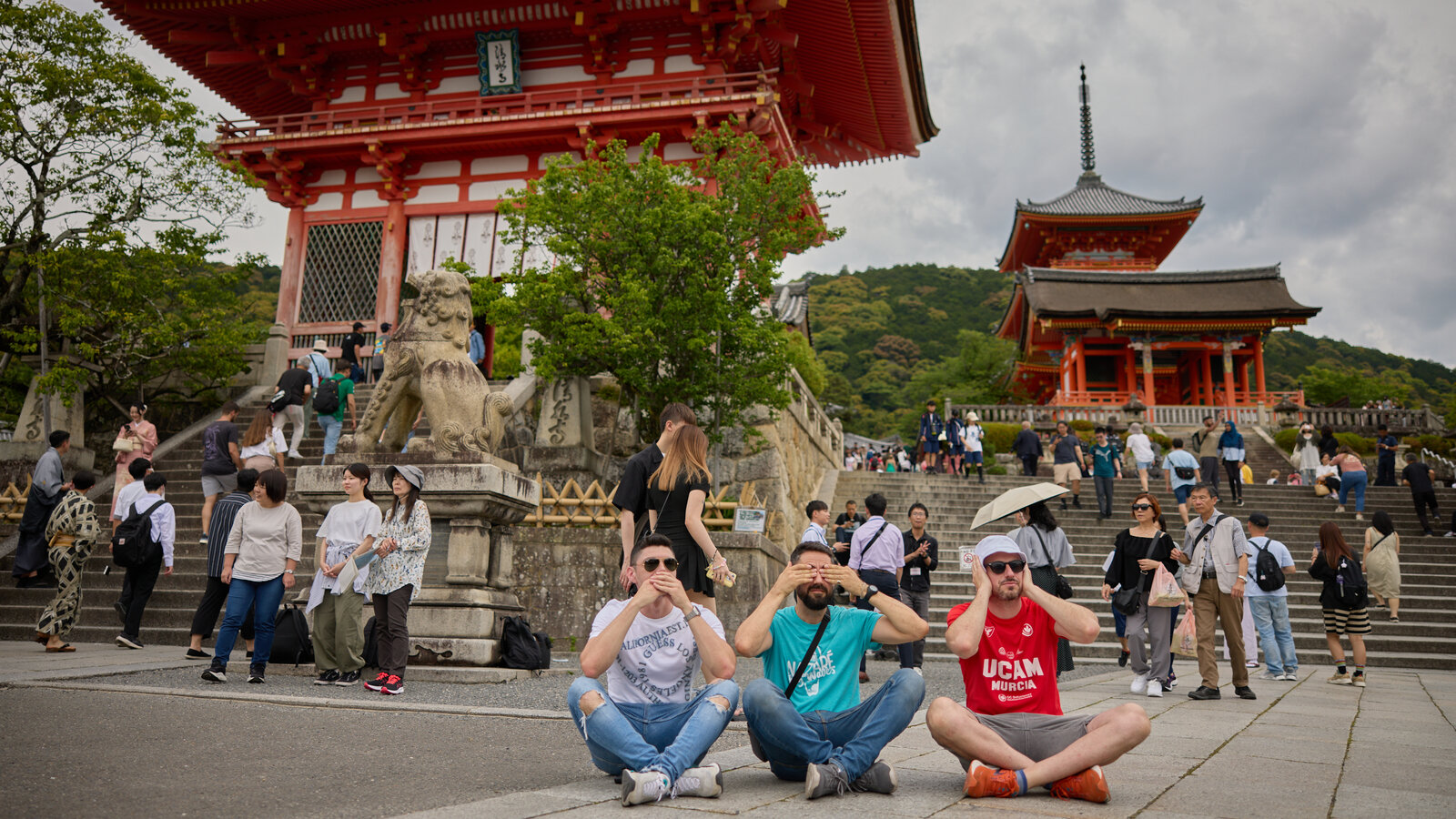
Global tourism is undergoing a significant transformation. In a notable shift, Japan has overtaken traditional leisure destinations such as Bali as the most popular choice for Australian travelers. This change reflects more than a temporary travel fad; it signals evolving priorities among international tourists in a world shaped by economic uncertainty, geopolitical instability, and post-pandemic caution.
For global travel analysts and journalists, the trend offers insight into how tourism decisions increasingly mirror broader social and economic realities.
Why Japan Has Gained Momentum
Several factors have contributed to Japan’s rise as a preferred destination. A favorable currency exchange rate has made travel more affordable, while the country’s reputation for efficiency, cleanliness, and safety appeals strongly to travelers seeking reliability. Japan’s transport infrastructure, from high-speed rail to urban transit systems, offers predictability and convenience qualities increasingly valued in uncertain times.
Cultural diversity also plays a role. Japan provides a blend of traditional heritage and modern urban experiences, allowing travelers to customize itineraries around history, cuisine, nature, and technology.
The Decline of Traditional Leisure Dominance
Destinations like Bali have long dominated tourism markets due to affordability, beach-centered leisure, and established hospitality industries. However, rising costs, environmental pressures, and concerns over overcrowding have affected traveler perceptions.
Additionally, some travelers report a growing preference for destinations that offer structured experiences and perceived stability over purely recreational travel. This shift does not signal the decline of traditional hubs, but it does indicate changing expectations.
Post-Pandemic Traveler Psychology
The pandemic reshaped how people evaluate travel risks. Health infrastructure, public order, and emergency preparedness have become critical considerations. Japan’s management of public spaces, healthcare access, and urban safety has reinforced its appeal among cautious travelers.
Tourism experts note that post-pandemic travelers increasingly prioritize destinations that minimize uncertainty. This has elevated countries with strong governance, infrastructure, and crisis response systems.
Economic Impact on Regional Tourism
Japan’s tourism surge brings clear economic benefits. Increased visitor spending supports local businesses, hospitality workers, and regional economies beyond major cities. Rural tourism initiatives have also gained momentum, spreading economic gains more evenly.
Conversely, destinations facing slower growth must reassess strategies. Southeast Asian tourism-dependent economies are diversifying offerings, investing in sustainability, and improving infrastructure to remain competitive in a changing market.
Infrastructure and Experience Quality
Another key factor is experience quality. Travelers increasingly seek seamless experiences from airport efficiency to digital services and multilingual support. Japan’s emphasis on service standards, punctuality, and customer experience aligns well with these expectations.
Global tourism is becoming less about price alone and more about perceived value, reliability, and comfort.
Environmental and Sustainability Considerations
Sustainability is playing a growing role in travel decisions. Over-tourism, environmental degradation, and climate vulnerability have prompted travelers to consider the ecological footprint of destinations.
Japan’s investments in sustainable transport and urban planning contribute positively to its image. While challenges remain, perceptions of environmental responsibility influence destination choice more than ever.
A Reflection of Broader Global Trends
From an international journalist’s perspective, Japan’s tourism rise reflects wider global patterns. Economic uncertainty encourages value-driven travel. Political stability shapes destination confidence. Infrastructure quality and governance influence consumer trust.
Tourism is no longer isolated from geopolitics and economics; it responds directly to them.
Implications for the Global Travel Industry
The industry must adapt to these shifts. Airlines, hospitality providers, and tourism boards are recalibrating marketing strategies to emphasize safety, reliability, and cultural depth. Destinations that fail to evolve risk losing relevance in an increasingly discerning market.
Japan’s example demonstrates how strategic investment in infrastructure, services, and international perception can yield long-term tourism resilience.
Conclusion: Travel as a Measure of Global Confidence
Japan’s emergence as a top travel destination marks a broader redefinition of global tourism priorities. Travelers are choosing destinations that offer not just leisure, but assurance, structure, and meaningful experience.
For the global tourism industry, the message is clear: future success will depend on adaptability, sustainability, and trust. In an unpredictable world, where people travel says as much about global confidence as it does about leisure preferences.


Leave a Reply